Phoenix Commercial Real Estate Forecast: 2026 Outlook
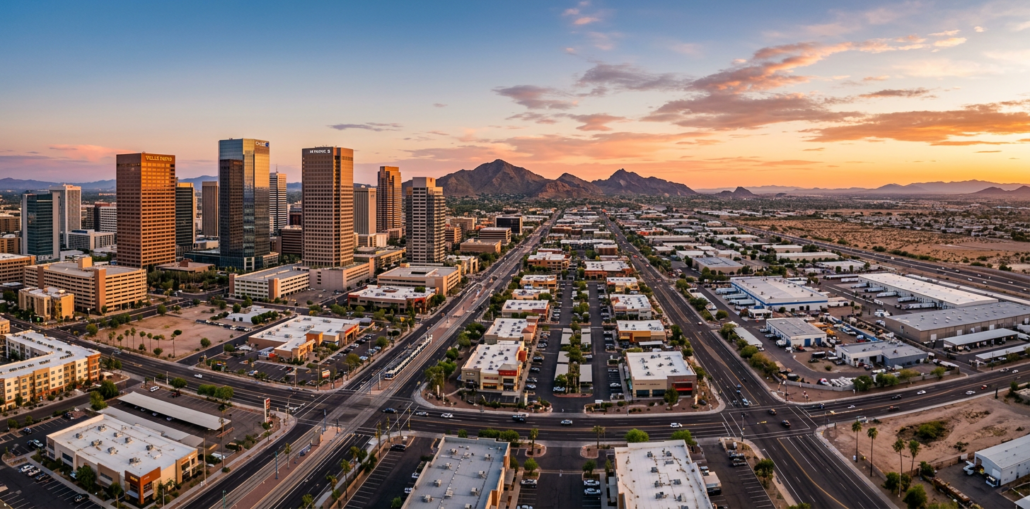
Phoenix is heading into 2026 with a commercial real estate story that is more balanced than explosive, and that is not a bad thing. For owners, tenants, and investors, that usually means more room to negotiate, more room to compare submarkets, and more room to make decisions based on fundamentals instead of hype. If you are tracking the phoenix commercial real estate forecast, the big theme is steady demand, selective growth, and sharper underwriting.
That matters whether you own an office building, are leasing retail space, are evaluating industrial land, or simply want to understand how commercial momentum shapes nearby neighborhoods and residential demand. In a metro as large and fast-moving as Phoenix, commercial strength often spills over into housing, job growth, and long-term value.
Phoenix Commercial Real Estate Forecast: What Matters Most
The broad outlook for Phoenix in 2026 is still tied to population growth, business relocation, and a competitive Sun Belt position. Major firms continue to point to Phoenix as a market with employment growth and expanding occupier interest, even as growth moderates from the post-pandemic surge. That creates opportunity, but it also means landlords and buyers need to be more precise about asset type, location, and pricing. (cbre.com)

Office: Still Challenging, but Better Than the Headlines Suggest
Phoenix office remains the most uneven part of the market. Demand is not disappearing, but tenants are choosier, and that usually means better opportunities for users who are ready to act. Recent market reporting shows positive quarterly absorption in Phoenix office, which suggests some stabilization even if the sector is still working through legacy vacancy and shifting workplace needs. (jll.com)
For tenants, this can mean more flexibility on concessions, tenant improvement packages, and lease structure. For owners, it means the best-performing assets are usually the ones with strong parking, good access, and layouts that fit today’s users. If you are comparing options, this is where Leasing and Tenant Representation become especially valuable.
Industrial: Still the Workhorse of Phoenix CRE
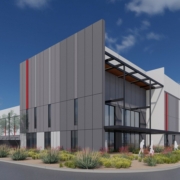
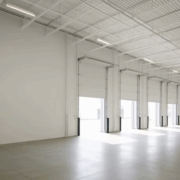
Industrial continues to be one of the most important pillars in the phoenix commercial real estate forecast. Phoenix remains attractive because of logistics, manufacturing, and infill distribution demand, plus the metro’s role as a growth corridor for the Southwest. Recent reports still show a market with meaningful activity, even as new supply and vacancy changes create pockets of balance. (jll.com)
For investors, industrial underwriting now depends more on location and tenant quality than simple size or land basis. Infill industrial, outdoor storage, and strategically placed warehouse product can still draw attention if the numbers make sense. That is where Investment Sales and deeper local analysis can make the difference.
Retail: Neighborhood-Driven, Not One-Size-Fits-All
Retail in Phoenix is still highly local. Well-located neighborhood centers, daily-needs retail, and experiential concepts tied to strong residential growth continue to outperform generic space. As population growth shifts west, south, and into suburban employment nodes, retail demand follows rooftops, traffic patterns, and household spending power. (cbre.com)
That is good news for owners with well-positioned assets, but it also means tenants need to be careful about trade area fit. A strong lease in the wrong submarket can underperform quickly, while a smaller space in the right corridor can outperform expectations.
What This Means for Buyers, Sellers, and Investors
If you are buying, the 2026 market rewards patience and discipline. You are more likely to find negotiating room than you were during the peak frenzy years, but you still need to know which submarkets are holding value and which ones are drifting.
If you are selling, pricing and presentation matter more than ever. Buyers are comparing income, occupancy, replacement cost, and long-term demand drivers. A property that feels “good enough” will not stand out unless the story is clear.
If you are an investor, the best opportunities may come from assets with short-term friction but long-term upside, especially where Phoenix growth is still creating demand. That includes value-add industrial, stabilized retail in strong trade areas, and office assets with realistic basis and repositioning potential.
Residential Demand Still Matters to CRE
One reason the phoenix commercial real estate forecast stays constructive is that residential growth keeps feeding the market. More households mean more need for grocery-anchored retail, medical space, service businesses, and industrial support space. In other words, commercial demand does not exist in a vacuum.
That is why local housing trends matter too. If you want the bigger picture, it helps to review Recent Posts and market commentary through Research. The more you understand where people are moving, the better you can predict where business activity will follow.
Practical Outlook for the Next 12 Months
Expect More Selectivity
Not every asset will trade at the same pace. The best-located properties with clean financials should continue to attract interest, while assets with deferred maintenance, weaker tenancy, or soft submarkets may need more time and sharper pricing.
Expect Better Negotiation Windows
For tenants, 2026 may offer more room to negotiate on improvement dollars, free rent, and renewal structure than the overheated market years did. For landlords, that means retention strategy matters more than ever.
Expect Capital to Stay Cautious
Financing remains a major factor in any commercial deal. Buyers are still sensitive to debt costs, and that keeps underwriting disciplined. In many cases, the right deal is the one that performs conservatively instead of looking aggressive on paper.
FAQ
Is Phoenix commercial real estate still a good investment?
Yes, but the best returns usually come from disciplined buying, realistic assumptions, and strong submarket selection. Industrial and select retail remain especially compelling when the location and tenant profile are strong. (cbre.com)
Which sector looks strongest in the Phoenix market?
Industrial still looks the most durable, while retail benefits from population-driven neighborhood demand. Office is improving in some pockets, but it remains the most uneven sector. (jll.com)
What should tenants focus on right now?
Total occupancy cost, not just base rent. Lease term, improvement allowances, renewal options, and operating expenses all matter more than the headline rate.
How does commercial growth affect homeowners?
Commercial expansion can support nearby home values by creating jobs, improving services, and increasing demand for housing close to employment centers. That is one reason residential and commercial trends should be viewed together.
Is now a better time to lease or buy commercial space?
It depends on your business plan. Leasing may offer flexibility, while buying can work well if you have strong local knowledge, a long-term horizon, and confidence in the asset’s income stream.
Ready to Make the Next Move?
If you are reviewing a property, considering a lease, or planning a sale, the smartest step is to compare your options with local market context instead of guessing. The phoenix commercial real estate forecast favors buyers and tenants who understand submarket differences and act with a clear plan.
Thinking about buying or selling real estate in Phoenix?
Call 602-281-6202 or
contact us here
to get local guidance and a clear next step.
About Natan Jacobs
NatanJacobs.com is a Phoenix-based real estate resource from Vestis Group, helping buyers, sellers, and investors
navigate residential, multifamily, and commercial real estate across Arizona. We provide hands-on guidance, market insight, and transaction execution with a focus on clear strategy and real results.
Explore Services & Resources
- For Sale Listings
- Investment Sales
- Leasing
- Tenant Representation
- Research
- Cash Offer
- List My Property
- Contact
Talk With Us
Call 602-281-6202
Email info@vestis-group.com
Contact: https://natanjacobs.com/contact/