Fastest Growing Zip Codes in Phoenix for Buyers and Sellers in 2026
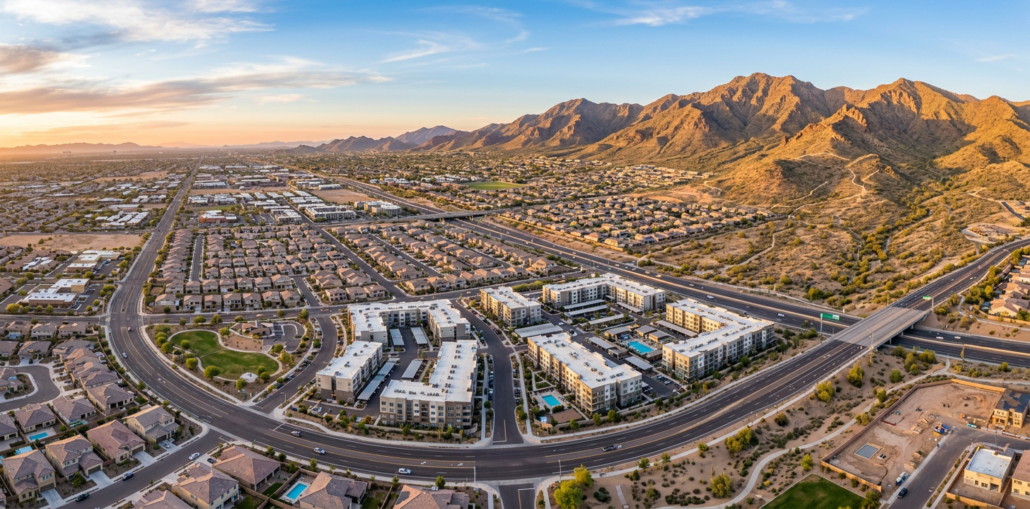
Phoenix growth rarely shows up evenly across the map. One ZIP code can feel fully built out, while another a few miles away is adding homes, apartments, retail, schools, and new commute patterns all at once.
If you're tracking the fastest growing ZIP codes in Phoenix, don't just look for the biggest price jump. Look at new housing supply, buyer demand, infrastructure, job access, and lifestyle momentum. The City of Phoenix says its population was an estimated 1.7 million as of July 2024, making it the fifth largest city in the country, according to the City of Phoenix.
That kind of growth matters if you're buying, selling, or investing. A fast-growing area can create opportunity, but it can also bring more competition, longer build timelines, and pricing that changes block by block.
Fastest Growing Zip Codes in Phoenix at a Glance
| ZIP Code | Area | Growth Signal | Best Fit |
|---|---|---|---|
| 85085 | North Phoenix, Norterra | Apartment growth, job access | Buyers, renters, investors |
| 85004 | Downtown Phoenix | New apartment supply | Urban buyers, landlords |
| 85054 | Desert Ridge area | Luxury rental and employment demand | Move-up buyers |
| 85012 | Midtown, Central Avenue | Infill housing activity | Condo buyers, renters |
| 85396 | Buckeye, Verrado | Master-planned expansion | Families, long-term investors |
| 85340 | Goodyear, Litchfield Park area | Sales activity and westside demand | Move-up buyers |
This isn't a pure population ranking. It's a practical real estate view of where growth is reshaping buyer behavior, seller strategy, and investor interest across Phoenix and the surrounding metro.
What Makes a Phoenix ZIP Code Grow Fast?
A ZIP code grows quickly when more people have a reason to live there and enough housing exists to absorb that demand. In Phoenix, the strongest growth patterns tend to follow four things:
- New-home construction and master-planned communities
- Apartment completions and renter demand
- Major employment corridors
- Freeway access, schools, retail, and lifestyle amenities
The U.S. Census Bureau noted that metro areas grew faster from 2023 to 2024 than the year before, with migration playing a major role. Phoenix fits that broader trend, especially as relocation buyers compare Arizona with California, Washington, Colorado, and Texas.
Here's the thing: growth doesn't always mean instant appreciation. Sometimes growth creates more supply, which can keep prices more balanced even while buyer interest remains strong.
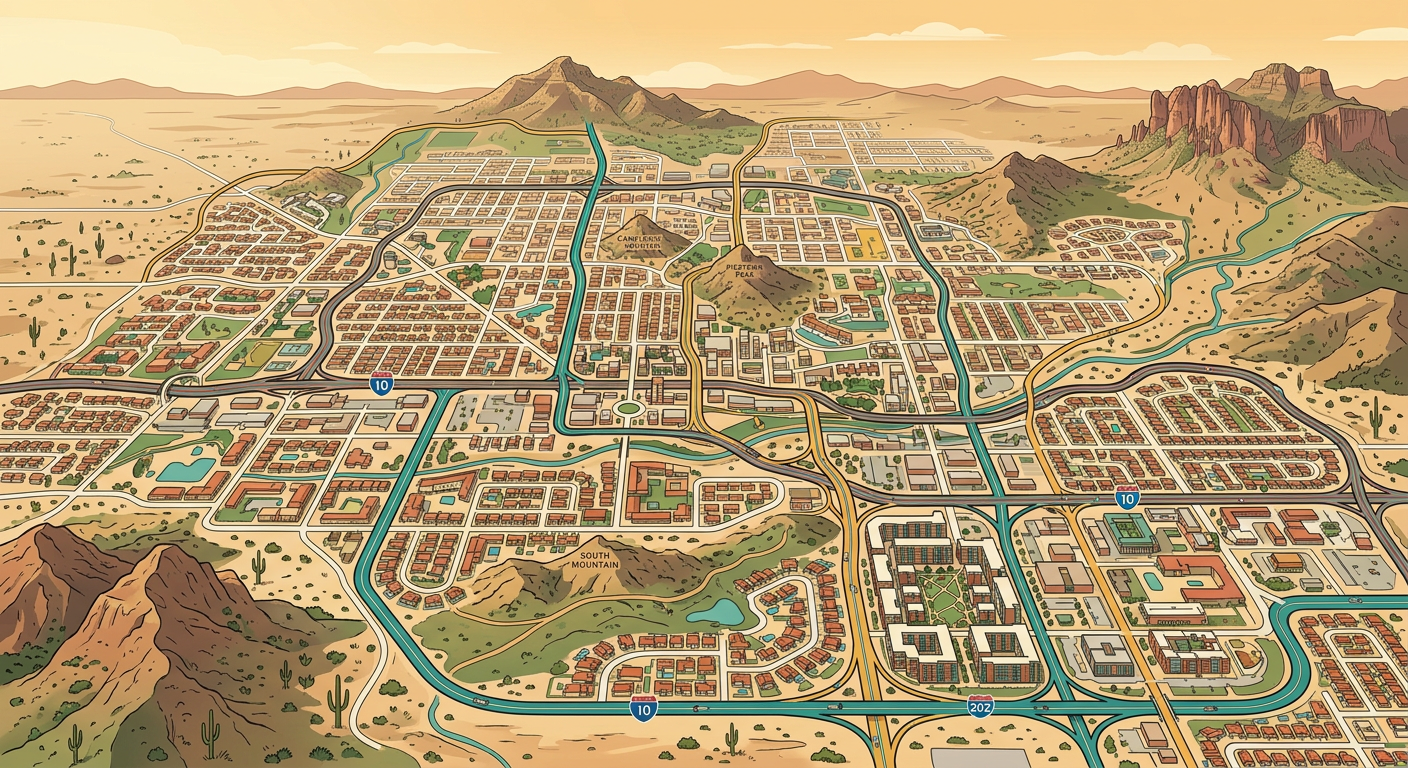
85085, North Phoenix and Norterra
85085 is one of the clearest growth stories inside Phoenix proper. The area benefits from newer housing, freeway access along I-17, retail expansion, and proximity to North Phoenix employment growth.
RentCafe reported that ZIP code 85085 added 3,071 new apartments between 2015 and 2025, one of the highest totals in Phoenix, based on RentCafe's analysis of Yardi data. That level of apartment activity can support local retail, restaurants, and service demand, which then makes the area more attractive to future buyers.
For buyers, 85085 can be a strong fit if you want newer construction and access to north Valley jobs. For sellers, the key is pricing against both resale homes and builder inventory, because new communities can compete directly with your listing.
85004, Downtown Phoenix
Downtown Phoenix growth looks different from suburban growth. Instead of large single-family subdivisions, 85004 has been shaped by apartments, student housing, employment, sports venues, restaurants, and light rail access.
RentCafe found that 85004 added 5,628 new apartments between 2015 and 2025, the highest among the Phoenix ZIP codes in its apartment analysis. That makes it one of the most important urban growth ZIP codes for renters, landlords, and buyers who want a more walkable lifestyle.
For owner-occupants, 85004 is less about backyard space and more about location. For investors, underwriting matters. Higher unit supply can create leasing competition, so rental assumptions should be realistic, not based on peak pandemic-era demand.
85054, Desert Ridge and Northeast Phoenix
85054 sits near Desert Ridge, Mayo Clinic, major retail, and high-income employment demand. It has a different buyer profile than downtown or west Phoenix. Think move-up buyers, medical professionals, renters seeking newer product, and households wanting access to north Scottsdale without north Scottsdale pricing.
In ARMLS Q2 2026 ZIP code data, 85054 showed a median sale price of $792,000, up 14.5% year over year, according to the ARMLS Quarterly Housing Summary Q2 2026. That doesn't mean every home rose equally, but it does point to demand resilience at the higher end of the Phoenix market.
If you're selling in 85054, presentation matters. Buyers in this segment compare finishes, lot quality, school boundaries, commute times, and lifestyle access carefully.
85012, Midtown and Central Phoenix
85012 is a classic infill ZIP code. It includes parts of the Central Avenue corridor, where apartments, condos, restaurants, offices, and light rail access create a more urban residential pattern.
RentCafe reported 2,430 new apartments in 85012 from 2015 to 2025. That added supply gives renters more options, but it also supports long-term density in a corridor that continues to attract people who want shorter commutes and access to downtown, uptown, and midtown amenities.
For buyers, 85012 can be attractive if you value location over square footage. For sellers, the challenge is positioning your property correctly against condos, townhomes, renovated older homes, and newer rental communities.
85396, Buckeye and Verrado
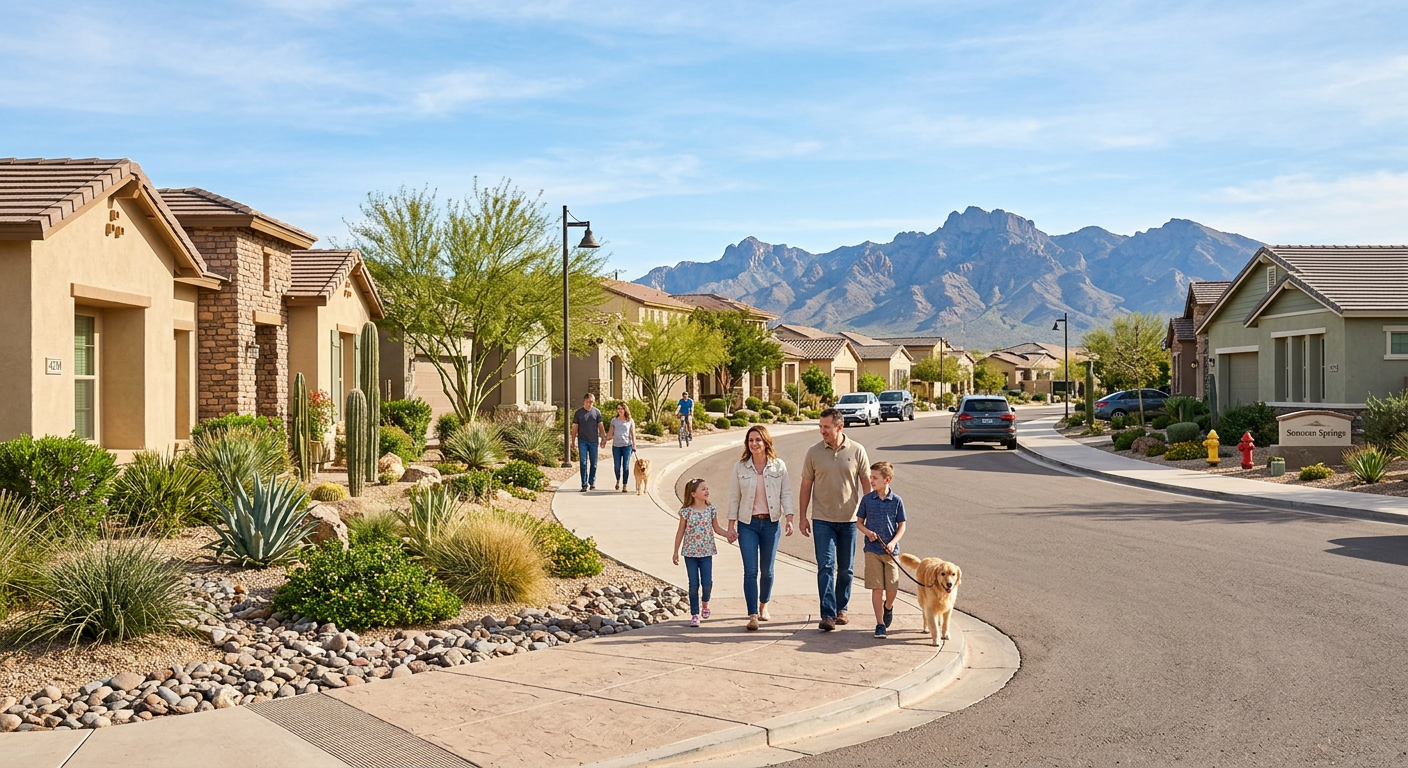
Technically, 85396 is outside the City of Phoenix, but it belongs in any serious metro Phoenix growth conversation. Buckeye and Verrado continue to attract buyers who want newer homes, master-planned amenities, mountain views, and more space for the money.
A RentCafe-backed report covered by ORION Investment Real Estate noted that housing units in 85396 doubled over a 10-year span, ranking it among the country's fast-growing communities. That's a major signal for long-term residential expansion.
For buyers, the tradeoff is commute time and future buildout uncertainty. For investors, the question is whether rent, resale value, and holding period justify the distance from central employment nodes.
85340, Goodyear and Litchfield Park Area
85340 has been gaining attention as west Valley demand expands. The area benefits from access to Loop 303, I-10, employment growth, newer subdivisions, and proximity to Goodyear and Litchfield Park amenities.
In ARMLS Q2 2026 data, 85340 recorded a median sale price of $549,450 and closed sales were up 31.6% year over year. That kind of sales growth can be more useful than price alone because it shows buyer activity, not just seller expectations.
Sellers in this ZIP should watch nearby new construction incentives. Buyers should compare resale homes against new builds, especially if builders are offering rate buydowns or closing cost help.
What This Means for Phoenix Buyers
Fast growth can be good for buyers, but only when you understand the tradeoffs. A growing ZIP code may offer newer homes, more amenities, and future upside, but you may also face construction noise, HOA fees, longer commutes, and changing traffic patterns.
Before choosing a ZIP code, compare:
- Your commute today and likely commute in five years
- New construction supply nearby
- School boundaries and future school plans
- HOA rules, fees, and community amenities
- Resale competition from builders
- Rent demand if you may keep the property later
If you're comparing homes now, start with active inventory on Phoenix area for sale listings and then narrow by ZIP code, lifestyle, and long-term exit strategy.
What This Means for Phoenix Sellers
If you own in a high-growth ZIP code, you have a story to tell. But story alone doesn't sell a home. Buyers still care about price, condition, financing, and how your property compares with similar homes nearby.
A strong seller strategy should include:
- Pricing against current competition, not last year's headlines
- Highlighting lifestyle drivers such as parks, schools, retail, and commute access
- Watching builder incentives in nearby communities
- Preparing the home before launch, not after feedback arrives
- Using ZIP-specific data in buyer conversations
If you're deciding whether to list, the List My Property page is a practical place to start. For owners weighing speed and certainty, a cash offer review can also help you compare options.
Frequently Asked Questions
What are the fastest growing ZIP codes in Phoenix right now?
Inside Phoenix, 85085, 85004, 85054, and 85012 stand out for new housing supply, apartment completions, employment access, and lifestyle demand. Across the metro, 85396, 85340, and 85326 are also important growth ZIP codes due to west Valley expansion.
Is a fast-growing ZIP code always a good place to buy?
Not automatically. Growth can support long-term demand, but too much new supply can slow price gains in the short term. Buyers should compare resale inventory, builder incentives, commute patterns, and neighborhood maturity before making an offer.
Which Phoenix ZIP codes are best for investors?
Investor fit depends on your strategy. 85004 and 85012 may appeal to urban rental investors, 85085 can work for newer rental demand, and 85396 or 85340 may suit longer-term growth investors. The right choice depends on rent, expenses, financing, and hold period.
Why are west Valley ZIP codes growing so quickly?
The west Valley has more developable land, major logistics and employment growth, freeway access, and master-planned communities. Buyers often find newer homes and more space compared with central Phoenix or Scottsdale.
Should sellers in growing ZIP codes wait for more appreciation?
Maybe, but waiting only works if your personal timing, carrying costs, and market conditions support it. In many cases, pricing well and launching with strong presentation matters more than trying to time the perfect month.
Get Local Guidance Before You Choose a ZIP Code
Phoenix ZIP code growth is hyperlocal. One subdivision can be hot while a nearby pocket sits longer, so local pricing and property-level guidance matter.
Thinking about buying or selling real estate in Phoenix?
Call 602-281-6202 or
contact us here
to get local guidance and a clear next step.
Final Takeaway
The fastest growing ZIP codes in Phoenix tell a bigger story about how the Valley is changing. North Phoenix is gaining momentum from jobs and new housing, central Phoenix is becoming denser, and the west Valley continues to absorb buyers looking for newer homes and more space.
For buyers, growth can create opportunity if you buy with clear eyes. For sellers, it can give you a stronger positioning story, but only when paired with smart pricing and preparation.
About Natan Jacobs
NatanJacobs.com is a Phoenix-based real estate resource from Vestis Group, helping buyers, sellers, and investors
navigate residential, multifamily, and commercial real estate across Arizona. We provide hands-on guidance, market insight, and transaction execution with a focus on clear strategy and real results.
Explore Services & Resources
- For Sale Listings
- Investment Sales
- Leasing
- Tenant Representation
- Cash Offer
- List My Property
- Contact
Talk With Us
Call 602-281-6202
Email info@vestis-group.com
Contact: https://natanjacobs.com/contact/