
Moving to Phoenix From California: Costs, Commutes, and Areas
A move from California to Greater Phoenix can create more options, but it also comes with decisions that are easy to underestimate. Housing styles, commute patterns, summer weather, property taxes, and neighborhood layouts can feel very different from what you know in the Bay Area, Los Angeles, Orange County, or San Diego.
For people moving to Phoenix from California, the best results usually come from choosing an area based on the life you want to live after closing, not just a home price seen online. We recommend planning the move around daily routines, work location, school preferences, recreation, and your comfort level with the desert climate.
Why Phoenix Continues to Draw California Movers
Phoenix remains a practical choice for Californians looking for a major metro area with broad housing options, a large employment base, and year-round outdoor access. The move is not one-directional, but California is still Arizona's largest source of incoming residents.
According to a 2026 review of 2024 American Community Survey migration data by Arizona's Economy, 52,383 people moved from California to Arizona in 2024. The same data showed a net gain of 24,209 residents for Arizona in its migration exchange with California.
That demand matters because it affects the experience of buying and selling. California buyers are often familiar with competitive offers and fast decisions, while Phoenix sellers benefit when their property is positioned to reach both local demand and relocation buyers.
The lifestyle shift is real
Phoenix is not a lower-cost version of coastal California. It is a different place with its own tradeoffs:
- More space may be available in many suburban locations, but lot size and home condition still vary widely.
- Driving is central to daily life in much of Metro Phoenix, even with light rail access in select corridors.
- Summers require serious planning, from utility bills to shaded parking and outdoor schedules.
- Golf, hiking, professional sports, restaurants, and resort amenities are available across the Valley, but proximity depends heavily on the neighborhood you choose.
Start With Geography, Not a Listing Feed
The Phoenix metro area is large, and a home that looks close to your destination on a map can still create a difficult daily commute. Before narrowing your home search, establish a realistic search boundary around work, school, family, and lifestyle priorities.
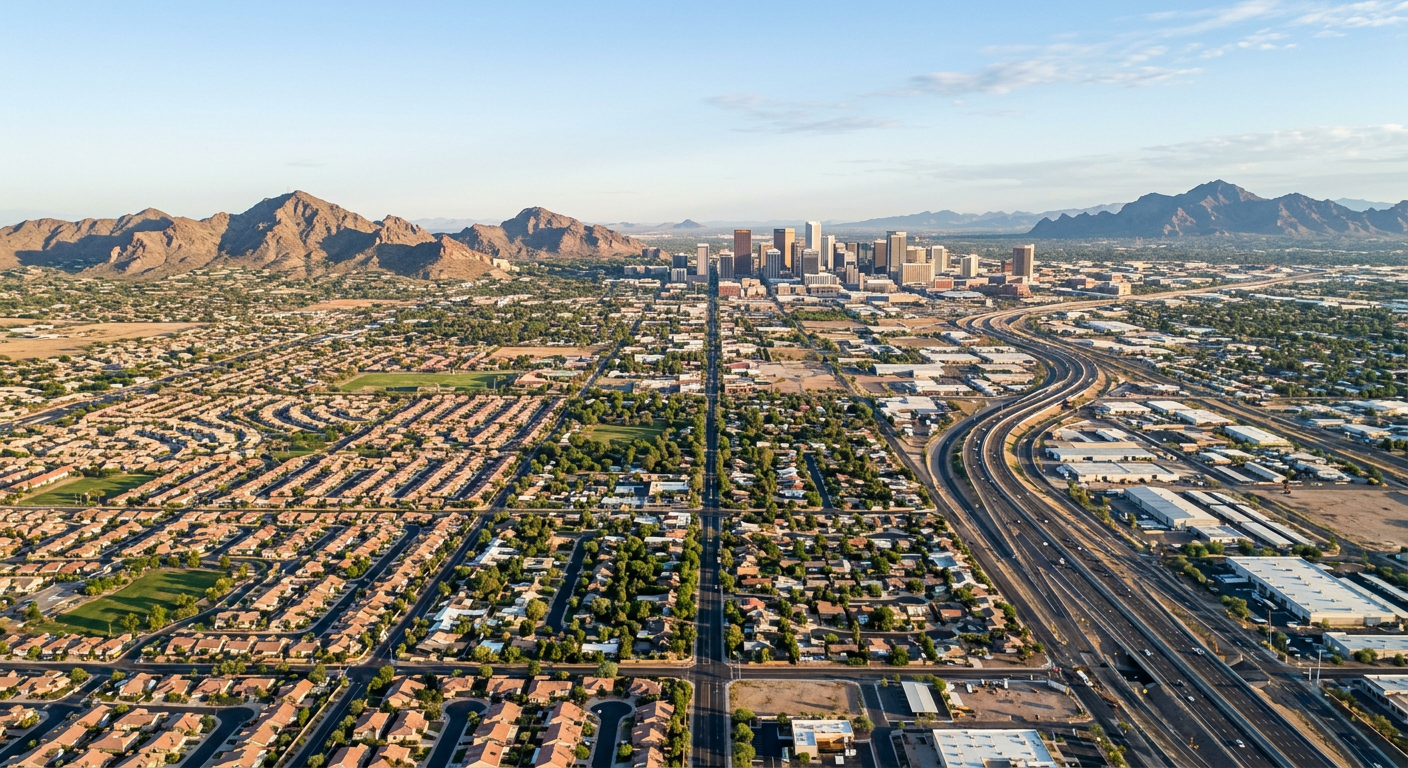
Central Phoenix and the Biltmore corridor
Central Phoenix can suit buyers who want established neighborhoods, mature landscaping, shorter access to downtown, and a stronger connection to restaurants, arts, and local businesses. Home styles range from historic properties and mid-century homes to condos, townhomes, and newer infill development.
This area can be a strong fit for buyers who value character and location over the newest construction. It can also involve older systems, historic-district considerations, and more variation from one block to the next, so inspections and local guidance matter.
Scottsdale, Paradise Valley, and Northeast Phoenix
These areas appeal to buyers looking for resort-style amenities, mountain views, upscale retail, golf, and access to major employment hubs in the northeast Valley. They also cover a broad price range, so it helps to be specific about the lifestyle you want rather than treating the entire area as one market.
Scottsdale can mean walkability and condos near Old Town, larger homes in North Scottsdale, or everything in between. Paradise Valley is highly distinct, with a luxury residential profile and limited commercial development.
East Valley communities
Tempe, Chandler, Gilbert, Mesa, and Queen Creek offer different combinations of employment access, newer communities, established neighborhoods, and family-oriented amenities. Buyers relocating for jobs in technology, education, health care, or the airport area often begin their search here.
Commute direction is important. A home in Gilbert may work well for an office in Chandler or Tempe, but it can be far less convenient for a regular drive to North Phoenix or the West Valley.
West Valley growth areas
Glendale, Peoria, Surprise, Goodyear, Avondale, Buckeye, and nearby communities can offer newer housing, planned developments, and more room to grow. They can be especially attractive for buyers who work remotely, commute west, or prefer newer construction and community amenities.
The tradeoff is distance. Ask what your drive will look like during the actual hours you expect to travel, not on a quiet weekend afternoon.
Build a California-to-Phoenix Budget Around Ownership Costs
Purchase price is only one part of the decision. A sound relocation budget includes the monthly and seasonal costs that come with owning a home in the desert.
Items to estimate before making an offer
- Mortgage payment and property taxes: Arizona tax bills may look different from those in California, but the total monthly payment still needs to fit comfortably.
- Homeowners association fees: Many master-planned communities have HOA dues, and rules can affect exterior changes, parking, rentals, and landscaping.
- Home insurance: Coverage and premiums vary by carrier, roof condition, location, and property characteristics.
- Summer utilities: Air conditioning is essential, not optional. Review past utility bills when available and consider the age of the HVAC system, insulation, windows, and pool equipment.
- Pool care and landscaping: Pools, irrigation systems, and desert landscaping are manageable, but they require routine attention and budgeting.
- Moving and transition costs: Include temporary housing, vehicle registration, deposits, travel, storage, and the cost of establishing new services.
For sellers leaving California, timing your sale and Phoenix purchase is equally important. A cash purchase, bridge financing, leaseback arrangement, or temporary rental may provide flexibility, but each option has different financial and contractual implications. If selling quickly is the priority, review the available options through our Phoenix cash offer resource before deciding which route fits your situation.
Prepare for the Desert Before You Commit
The biggest adjustment for many new residents is not the home. It is learning how weather shapes the calendar, the home-maintenance routine, and the way people spend time outdoors.
Summer changes how you use a property
A shaded patio, north-south exposure, covered parking, ceiling fans, quality windows, and a maintained air-conditioning system can make a noticeable difference. During a showing, we encourage buyers to look beyond finishes and ask practical questions:
- How old are the HVAC units, and when were they last serviced?
- Is the roof nearing the end of its expected life?
- Does the pool equipment operate properly?
- Are there signs of poor drainage or irrigation leaks?
- Which rooms receive intense afternoon sun?
- Is the garage usable during the hottest months?
Phoenix summers are long, but the rest of the year supports a highly outdoor-oriented lifestyle. Buyers who understand both sides of that equation tend to make better neighborhood and home-design choices.
Water and landscaping deserve a closer look
Desert landscaping is not maintenance-free landscaping. Mature trees, irrigation controllers, drip lines, hardscape, turf, and pools all need inspection and upkeep. Before buying, confirm what is included, who maintains shared areas, and how the property has been cared for.
Make a Smart Remote Buying Plan
Buying from another state does not mean buying blindly. A well-organized process lets you make decisions with evidence, clear communication, and enough time to compare the right alternatives.
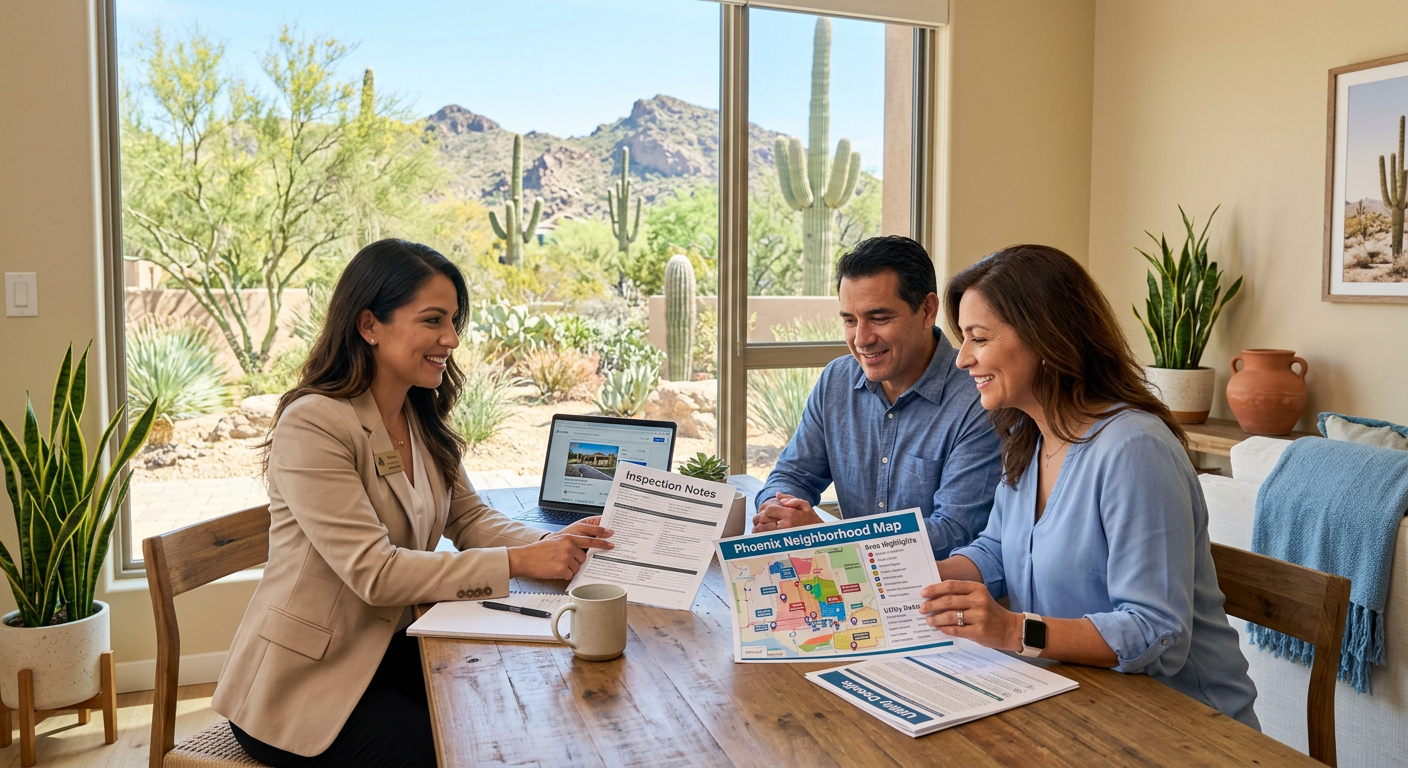
Use an early planning visit well
If possible, spend two or three full days touring the areas on your shortlist. Drive key routes in the morning and evening, visit grocery stores and parks, and test the distance to the places that will shape your week.
A scouting trip should not be a marathon of random showings. We prefer a focused itinerary that helps buyers compare neighborhoods, home types, and commute realities side by side.
Keep your offer terms competitive and sensible
The U.S. Census Bureau notes that its state-to-state migration flow estimates come from the American Community Survey and are based on a sample, which is a useful reminder that relocation trends do not replace property-level analysis. Review the current condition, comparable sales, financing terms, repair exposure, and seller situation for each home before you write an offer. U.S. Census Bureau
A strong offer is not simply the highest price. It is an offer with clear financing, a realistic closing timeline, appropriate due diligence, and terms that protect you from costly surprises.
What Moving to Phoenix From California Means for Sellers
Relocation does not only affect buyers. Phoenix homeowners planning to sell can benefit from understanding what out-of-state buyers notice first.
California buyers often compare space, condition, neighborhood convenience, and monthly payment expectations. Sellers should focus on the features that reduce uncertainty:
- Recent HVAC, roof, pool, or plumbing updates
- Clean inspection and maintenance records
- A clear explanation of HOA requirements
- Strong photography that shows indoor-outdoor living
- Pricing supported by current local comparable sales
- Flexible access for buyers traveling in from out of state
A listing that feels prepared and transparent can help a relocating buyer act with more confidence. For owners weighing timing, pricing, and presentation, our property listing resources can help frame the next conversation.
Frequently Asked Questions
Is Phoenix less expensive than California?
It can be, particularly compared with many coastal California markets, but the answer depends on the specific cities and neighborhoods you are comparing. Your full budget should include taxes, insurance, HOA dues, utilities, moving costs, and the ownership needs of the property.
Which Phoenix areas are best for people relocating from California?
The best area depends on your commute, budget, preferred home style, and lifestyle priorities. Central Phoenix may fit buyers seeking character and proximity to downtown, while Scottsdale, the East Valley, and West Valley communities each offer distinct advantages.
Do I need a car after moving to Phoenix?
Most residents rely on a car for daily life. Light rail, buses, cycling infrastructure, and walkable districts are useful in specific locations, but a vehicle remains important for many commutes and errands across the metro.
How should I handle a California home sale and Phoenix purchase at the same time?
Start planning before your California property goes live. Options may include selling first, negotiating a leaseback, using temporary housing, or pursuing financing that allows you to buy before your current home closes.
Are homes with pools difficult to own in Phoenix?
A pool requires recurring maintenance, equipment oversight, and safety planning, but many homeowners consider it worthwhile. Ask for service records, inspect the equipment, and include pool costs in your monthly ownership budget.
Is it better to rent first before buying in Phoenix?
Renting first can make sense if you are uncertain about commute patterns, school boundaries, or the neighborhoods that fit your lifestyle. Buying may make sense sooner when you have stable employment plans, clear location priorities, and a well-defined budget.
Quick Takeaway
Moving to Phoenix from California works best when you treat it as a lifestyle and logistics decision, not just a housing search. Focus on commute reality, summer-ready home features, recurring ownership costs, and the neighborhood rhythm that fits your household.
The Valley offers meaningful choice, from historic central neighborhoods to newer suburban communities and luxury desert settings. With a focused plan, buyers can narrow the search faster, and sellers can position their property for a broader pool of relocation demand.
Plan Your Phoenix Move With Local Perspective
Thinking about buying or selling real estate in Phoenix?
Call 602-281-6202 or
contact us here
to get local guidance and a clear next step.
About Natan Jacobs
NatanJacobs.com is a Phoenix-based real estate resource from Vestis Group, helping buyers, sellers, and investors
navigate residential, multifamily, and commercial real estate across Arizona. We provide hands-on guidance, market insight, and transaction execution with a focus on clear strategy and real results.
Explore Services & Resources
- For Sale Listings
- Investment Sales
- Leasing
- Tenant Representation
- Research
- Cash Offer
- List My Property
- Contact
Talk With Us
Call 602-281-6202
Email info@vestis-group.com
Contact: https://natanjacobs.com/contact/