
Moving to Phoenix AZ: What to Know Before Buying Your Next Home
Moving to Phoenix AZ: What to Know Before Buying Your Next Home
A move to the Valley can feel exciting long before the moving boxes arrive. For people moving to Phoenix AZ, the biggest adjustment is rarely choosing between sunshine and snow. It is choosing a home and neighborhood that still fit your life when the summer heat, commute, utility bills, and daily errands become real.
Phoenix offers a broad mix of established central neighborhoods, master-planned suburbs, condos, townhomes, new construction, and investment opportunities. The best relocation decisions start with your routine, not a filtered listing feed. We encourage buyers to define where they need to be, how they want to spend weekends, and what home systems they are prepared to maintain before narrowing the search.
Start With Geography, Not Just a Home Search
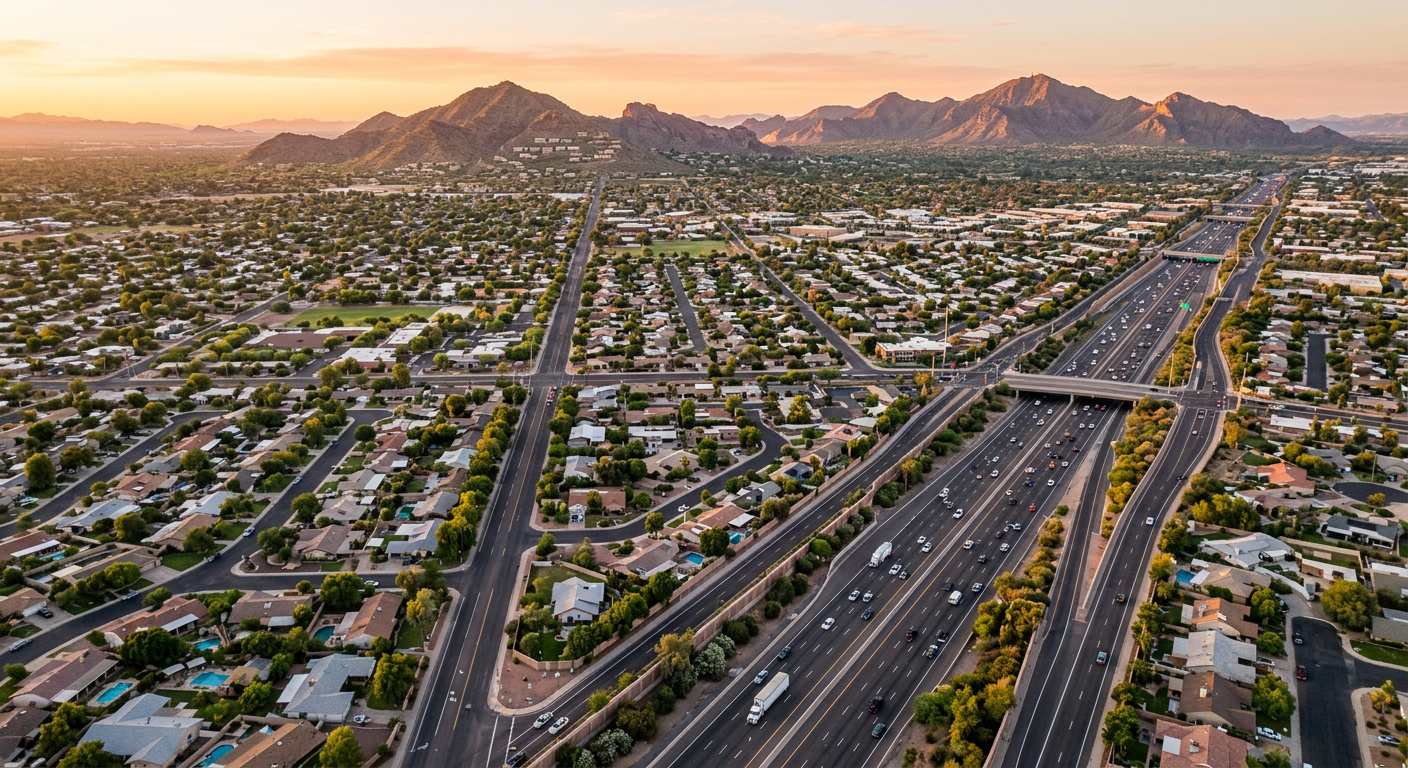
Greater Phoenix is a large, connected metro, and two homes with similar prices can create very different daily experiences. Your work location, school preferences, family connections, and comfort with driving should set the boundaries of your search.
The U.S. Census Bureau QuickFacts estimate that Phoenix had 1,665,481 residents as of July 1, 2025, with a mean commute time of 25.6 minutes for workers age 16 and older. That average is useful context, but it should not replace a real test drive at the time you expect to travel.
Think in commute corridors
A map can make the Valley look more compact than it feels. Before you commit to a neighborhood, test the route between the home and the places that will shape your week:
- Your workplace or regular client locations
- Schools, childcare, and after-school activities
- Airport access if you travel often
- Family, friends, gyms, grocery stores, and medical care
- Outdoor recreation, restaurants, and entertainment you will actually use
For example, an East Valley location may work well for a job in Chandler, Tempe, Mesa, or the airport area. A home in North Phoenix, Scottsdale, or the West Valley can be a stronger fit for a different work pattern and lifestyle. The right answer is personal, which is why we recommend comparing locations before comparing countertops.
Match the area to the lifestyle you want
Central Phoenix can appeal to buyers who value established neighborhoods, proximity to downtown, local restaurants, and homes with character. Scottsdale and northeast Phoenix can offer access to mountain views, golf, resort amenities, and employment centers. Tempe, Chandler, Gilbert, Mesa, and Queen Creek each bring different combinations of employment access, housing age, lot size, and community amenities.
West Valley communities such as Glendale, Peoria, Goodyear, Surprise, Avondale, and Buckeye often draw buyers seeking newer homes, planned developments, or more space. That does not make one side of the metro better than another. It means that moving to Phoenix AZ works best when the location supports your actual schedule, rather than an idealized version of it.
Phoenix Living Requires a Summer Plan
The desert climate is one of Phoenix's greatest draws, but it should be treated as a real part of the home-buying decision. A house that feels perfect during a mild winter showing may need closer scrutiny for cooling, shade, outdoor use, and maintenance.
Review the systems that keep a home comfortable
Air conditioning is a core home system in Phoenix. During inspections and due diligence, pay close attention to the age, service history, capacity, and condition of the HVAC equipment. Ask about insulation, window coverings, attic ventilation, roof condition, and the direction the home faces.
For a property with a pool, also evaluate the surface, equipment, pump, filters, heater, and safety features. A pool can be a major lifestyle benefit, but it has recurring care and potential repair costs. Desert landscaping is often lower maintenance than grass, yet irrigation lines, timers, trees, and plant selection still need attention.
Learn the rhythm of the desert
New residents often change their routines in summer. Morning and evening become the preferred times for walks, errands, dog outings, and outdoor projects. Shaded parking, window tint, insulated garages, covered patios, and mature landscaping can materially affect how a property feels from May through September.
This matters for sellers, too. Relocation buyers notice whether a home appears well cared for in the desert. A clean HVAC record, a maintained pool, functional irrigation, fresh exterior paint, and a clear explanation of recent updates can reduce uncertainty for someone arriving from another climate.
Build a Phoenix Budget Around Total Ownership Costs
Purchase price is only the starting point. A sound relocation budget accounts for the monthly payment and the property-specific costs that follow the closing.
The same Census profile reports a 2020 to 2024 median owner-occupied home value of $420,700 in Phoenix, but no citywide figure can tell you what a particular neighborhood, home type, HOA, or condition level will cost. Use current listings, recent comparable sales, lender estimates, and property disclosures to build a realistic plan.
Expenses to estimate before making an offer
- Mortgage payment, property taxes, and homeowners insurance
- HOA fees, transfer fees, rules, and rental restrictions
- Summer electricity use and the expected life of major cooling equipment
- Pool service, landscaping, irrigation, and pest control when applicable
- Roof, plumbing, windows, and drainage maintenance
- Moving costs, temporary housing, vehicle registration, deposits, and furnishings
We also recommend keeping a reserve for early repairs and upgrades. A resale home may offer a more central location, mature landscaping, and an established neighborhood. A new build may offer newer systems and modern layouts. Neither is automatically the better option. The better fit depends on your budget, timing, commute, and tolerance for future maintenance.
Buyers who want to compare active opportunities can review Phoenix-area homes and investment properties for sale as part of their planning. The goal is not to chase every listing. It is to identify the areas and home types that make sense before the right property appears.
Rent First or Buy Right Away?
Renting first can be a smart choice when you need time to understand the Valley, confirm a job location, or experience a Phoenix summer before committing. Buying can be the stronger path when your job, preferred area, financing, and expected length of ownership are already clear.
Renting can make sense when flexibility matters
Consider a short-term rental or lease if you are still deciding between several parts of the metro, have not finalized your commute, or need time to sell a home elsewhere. This approach can reduce pressure, but it also means moving twice and potentially facing rent increases or limited availability in your preferred area.
Buying can make sense when your plan is stable
A direct purchase may fit buyers who have a clear household budget, stable employment, a confident location choice, and a plan to stay long enough for transaction costs to make sense. Remote buyers can still make informed decisions by using video tours, detailed inspections, neighborhood drive videos, utility information, and a well-organized in-person visit before finalizing an offer.
For broader local context, our Phoenix real estate research resources can help you build a more informed shortlist. We also help buyers consider the details that do not show up in a listing photo, including commute patterns, surrounding development, HOA restrictions, and long-term resale factors.
What Relocation Demand Means for Phoenix Sellers
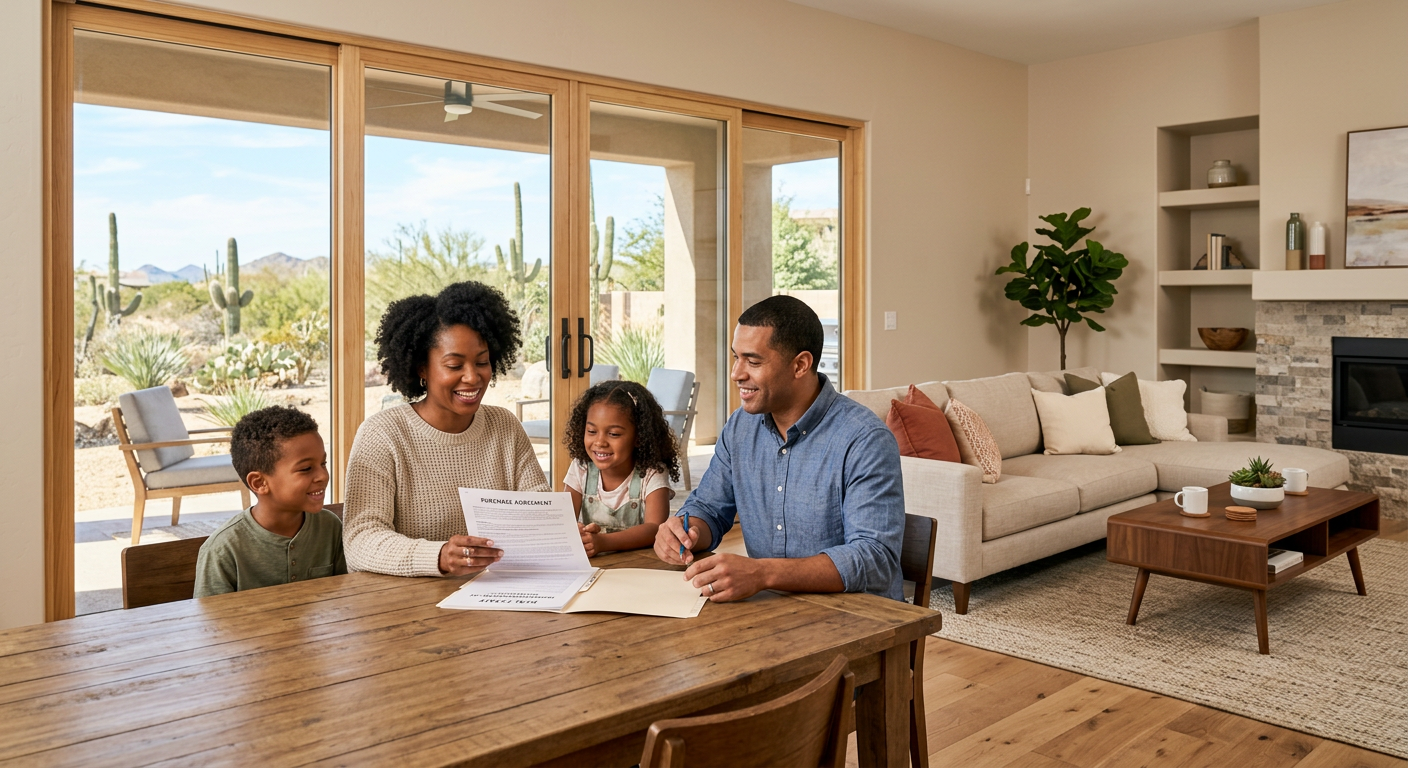
Relocation buyers can expand the audience for a well-positioned Phoenix home, especially when the listing makes the property's condition and location easy to understand. Sellers should focus on reducing questions before a buyer has to ask them.
Prepare the details that matter most
Out-of-state buyers may not know what is normal for a desert property. They are likely to pay attention to:
- HVAC age, maintenance records, and recent service
- Roof age and repair history
- Pool condition and equipment records
- HOA rules, fees, and approval requirements
- Window coverings, shade structures, and landscaping
- Commute access, neighborhood amenities, and nearby development
Strong photography and a clear property description remain important, but documentation matters just as much. When a buyer is traveling from another state, transparency can help them act with more confidence. Sellers considering a move can begin with a Phoenix property listing conversation focused on pricing, preparation, timing, and how to present the home to local and relocation buyers.
Quick Takeaway
Moving to Phoenix AZ is less about finding a city with sunny weather and more about finding a neighborhood and home that work in every season. Prioritize commute reality, cooling systems, ownership costs, HOA details, and the daily lifestyle you want after the move is complete.
For buyers, that approach creates a shorter, more focused search. For sellers, it clarifies the features and documentation that can make a property easier for relocation buyers to understand and value.
Common Questions About Moving to Phoenix AZ
Is Phoenix a good place to move for a new job?
Phoenix can be a strong fit for job-related moves because the metro offers varied employment hubs and many distinct residential areas. The key is choosing housing around the real work location and schedule, since cross-town driving can change the quality of daily life.
Do most people need a car in Phoenix?
Most households rely on a vehicle for everyday errands and commuting. Transit and walkable districts can work well in selected areas, but a car remains important for many residents across the broader metro.
Is a pool worth it when buying a home in Phoenix?
A pool can be worth it if it matches your lifestyle and budget. Buyers should inspect the pool, equipment, deck, fencing, and service history carefully, then account for ongoing maintenance and potential capital repairs.
Are new construction homes better than resale homes in Phoenix?
Neither option is universally better. New construction can provide newer systems and modern floor plans, while resale homes can offer established neighborhoods, mature landscaping, and locations closer to central employment and amenities.
How much should we budget for utilities in Phoenix?
Utility costs vary by home size, insulation, HVAC efficiency, pool equipment, household habits, and summer temperatures. Ask for available utility history, then build a conservative monthly estimate rather than relying on a single mild-weather bill.
Should we buy before selling our current home?
That depends on your financing, equity, moving timeline, and willingness to use temporary housing or bridge options. A coordinated sale and purchase plan can reduce stress, but it should be based on your own risk tolerance and market conditions.
Make the Move With a Clear Local Plan
Phoenix rewards buyers who look beyond a listing's square footage and focus on how the home performs in real life. A smart relocation plan balances location, comfort, cost, and resale potential, then leaves room for the unexpected details that come with a cross-state move.
Thinking about buying or selling real estate in Phoenix?
Call 602-281-6202 or
contact us here
to get local guidance and a clear next step.
About Natan Jacobs
NatanJacobs.com is a Phoenix-based real estate resource from Vestis Group, helping buyers, sellers, and investors
navigate residential, multifamily, and commercial real estate across Arizona. We provide hands-on guidance, market insight, and transaction execution with a focus on clear strategy and real results.
Explore Services & Resources
- For Sale Listings
- Investment Sales
- Leasing
- Tenant Representation
- Research
- Cash Offer
- List My Property
- Contact
Talk With Us
Call 602-281-6202
Email info@vestis-group.com
Contact: https://natanjacobs.com/contact/